Hey there! As a supplier of Auto Welding Jig in China, I've been in the thick of the auto manufacturing scene for quite some time. One question that often pops up is how to test the performance of Chinese Auto Welding Jigs. Well, in this blog, I'm gonna break it down for you.
Understanding the Basics of Auto Welding Jigs
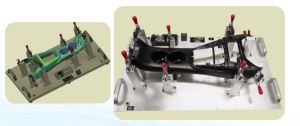
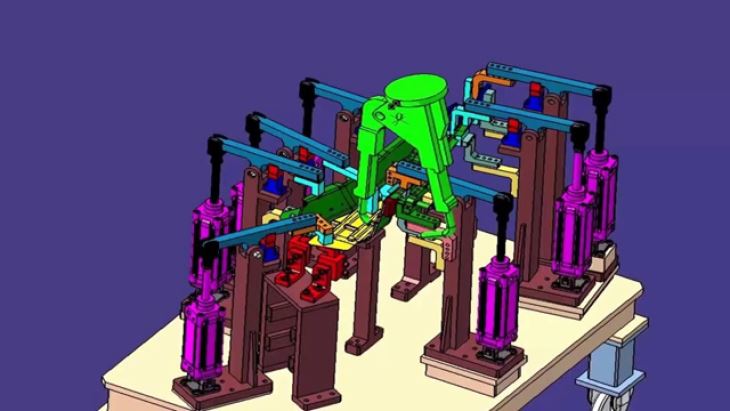
First off, let's get on the same page about what an auto welding jig is. It's a tool used in the automotive industry to hold parts in place during the welding process. This ensures that the parts are aligned correctly and the welds are consistent. A high - quality welding jig can significantly improve the efficiency and quality of the welding process.
Why Performance Testing is Crucial
You might be wondering, "Why do I need to test the performance of these jigs?" Well, the answer is simple. A poorly performing welding jig can lead to a whole bunch of problems. It can cause misaligned welds, which can compromise the structural integrity of the vehicle. It can also result in increased production time due to rework and adjustments. So, testing the performance of auto welding jigs is essential to ensure the smooth running of the production line and the quality of the final product.
Visual Inspection
The first step in testing the performance of a Chinese Auto Welding Jig is a visual inspection. This is the most basic and straightforward test. You'll want to check for any obvious signs of damage, such as cracks, dents, or wear and tear. Look at the surface finish of the jig. A smooth surface is important as it allows for easy movement of the parts during the welding process. Also, check the alignment of the clamping mechanisms. If they're not properly aligned, the parts won't be held in place correctly.
Dimensional Accuracy Testing
Dimensional accuracy is a critical factor in the performance of an auto welding jig. After all, the jig is supposed to hold the parts in the exact position required for welding. You can use precision measuring tools like calipers, micrometers, and coordinate measuring machines (CMMs) to check the dimensions of the jig. Compare the measured dimensions with the design specifications. Any significant deviation could indicate a problem with the manufacturing process or wear over time.
Clamping Force Testing
The clamping force of the jig is another important aspect to test. The jig needs to hold the parts firmly in place during the welding process, but not so tightly that it damages the parts. You can use a force gauge to measure the clamping force. Apply the force gauge to the clamping mechanism and measure the force required to release the part. Make sure the clamping force is within the recommended range for the specific parts being welded.
Repeatability Testing
Repeatability is key in the automotive manufacturing industry. You need to ensure that the welding jig can produce consistent results over multiple cycles. To test repeatability, perform a series of welding operations using the same jig and parts. Measure the dimensions and quality of the welds after each cycle. If the results vary significantly from one cycle to the next, there might be an issue with the jig's performance.
Compatibility with Welding Equipment
A Chinese Auto Welding Jig needs to be compatible with the welding equipment being used. Check if the jig can be easily integrated with the welding machine. Look at the electrical and mechanical connections. Make sure there are no issues with the grounding of the jig, as this can affect the quality of the welds. Also, check if the jig can withstand the heat generated during the welding process without deforming.
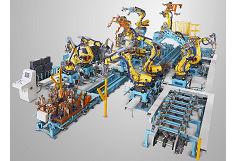
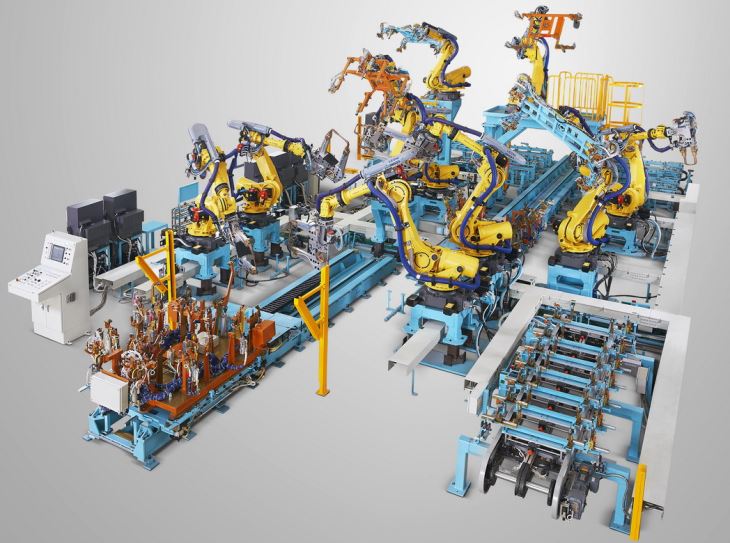
Robotic Welding Fixture Line
If you're into more advanced welding processes, you might be interested in the Robotic Welding Fixture Line. This line of fixtures is designed to work seamlessly with robotic welding systems. They offer high precision and efficiency, which can greatly improve the productivity of your production line.
Auto Pillar Parts Welding Fixture
Another important type of auto welding jig is the Auto Pillar Parts Welding Fixture. These fixtures are specifically designed for welding pillar parts in vehicles. They need to be highly accurate and reliable to ensure the structural integrity of the vehicle. When testing these fixtures, pay special attention to the alignment and clamping of the pillar parts.
Testing in Real - World Conditions
While laboratory tests are important, it's also crucial to test the Chinese Auto Welding Jig in real - world conditions. Set up the jig on the production line and run a few test batches. Monitor the performance of the jig during actual welding operations. Look for any issues that might not have been apparent during the laboratory tests, such as vibration, noise, or interference with other equipment on the production line.
Continuous Monitoring
Performance testing of a Chinese Auto Welding Jig is not a one - time thing. You need to continuously monitor the performance of the jig over time. Keep a record of the test results and any maintenance or repair work done on the jig. This will help you identify any trends or potential problems early on. Regular maintenance and calibration of the jig are also important to ensure its long - term performance.
Conclusion
Testing the performance of Chinese Auto Welding Jigs is a multi - step process that requires attention to detail and the use of appropriate testing tools. By following the steps outlined in this blog, you can ensure that your welding jigs are performing at their best, which will ultimately lead to higher quality products and increased efficiency in your production line.
If you're in the market for high - quality Chinese Auto Welding Jigs or have any questions about performance testing, don't hesitate to reach out. We're here to help you find the right solutions for your auto manufacturing needs.
References
- Automotive Welding Handbook
- Precision Measuring Tools Manual