Hey there! As a supplier of A PILLAR welding fixtures, I've seen my fair share of challenges when it comes to reducing deformation during the welding process. It's a common headache for many in the automotive manufacturing industry, but don't worry – I've got some tips and tricks up my sleeve that can help you tackle this issue head-on.
Understanding the Problem
First off, let's talk about why deformation occurs in the first place. When you're welding an A PILLAR with a fixture, the intense heat generated by the welding process causes the metal to expand. As the metal cools down, it contracts, and if this expansion and contraction aren't properly controlled, it can lead to deformation. This deformation can affect the overall quality of the A PILLAR, leading to issues with fitment and structural integrity.
Choosing the Right Fixture
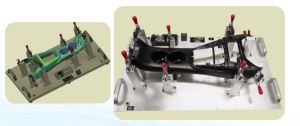
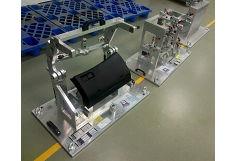
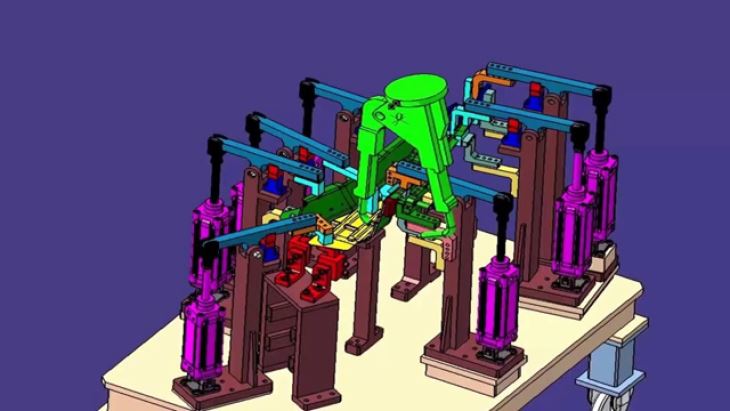
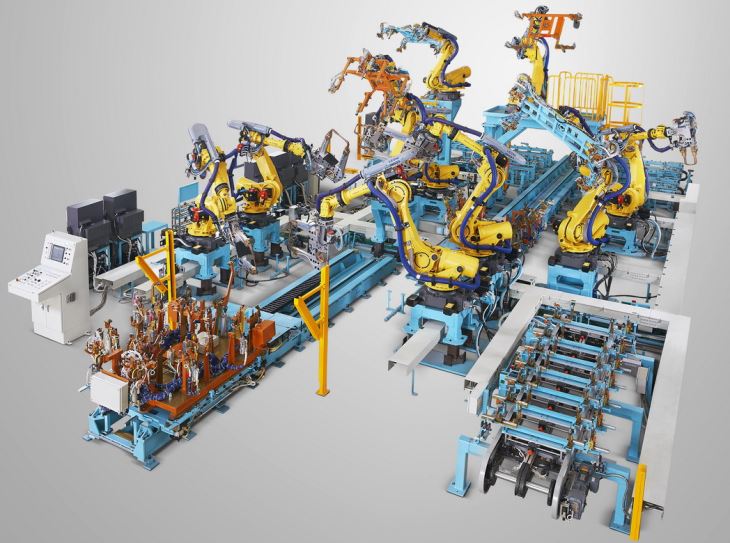
One of the most important steps in reducing deformation is choosing the right welding fixture. At our company, we offer a wide range of Auto Pillar Parts Welding Fixture designed specifically for A PILLAR welding. These fixtures are engineered to provide precise clamping and support, ensuring that the A PILLAR stays in place during the welding process.
When selecting a fixture, it's important to consider factors such as the material of the A PILLAR, the welding process being used, and the desired level of precision. Our team of experts can help you choose the right fixture for your specific needs, taking into account all of these factors and more.
Optimizing the Welding Process
In addition to choosing the right fixture, optimizing the welding process itself is crucial for reducing deformation. Here are some tips to help you achieve this:
- Control the Heat Input: One of the main causes of deformation is excessive heat input. By controlling the heat input during the welding process, you can minimize the amount of expansion and contraction that occurs. This can be achieved by adjusting the welding parameters, such as the welding current, voltage, and travel speed.
- Use Proper Welding Techniques: Using proper welding techniques can also help to reduce deformation. For example, using a backstep welding technique can help to distribute the heat more evenly, reducing the likelihood of deformation. Additionally, using a tack welding technique can help to hold the A PILLAR in place before the final welding is done, reducing the amount of movement during the welding process.
- Preheat the Material: Preheating the A PILLAR before welding can also help to reduce deformation. By preheating the material, you can reduce the temperature gradient between the welded area and the surrounding material, reducing the amount of stress that is generated during the welding process.
Implementing Quality Control Measures
Finally, implementing quality control measures is essential for ensuring that the A PILLAR meets the required specifications. Here are some quality control measures that you can implement:
- Inspect the Fixture Regularly: Regularly inspecting the welding fixture is important for ensuring that it is in good condition and functioning properly. Any damage or wear to the fixture can affect the quality of the welding and lead to deformation.
- Monitor the Welding Process: Monitoring the welding process is also important for ensuring that it is being carried out correctly. This can be done by using sensors and other monitoring devices to track the welding parameters, such as the temperature, pressure, and welding speed.
- Perform Post-Weld Inspection: Performing a post-weld inspection is essential for ensuring that the A PILLAR meets the required specifications. This can be done by using non-destructive testing methods, such as ultrasonic testing and X-ray testing, to detect any defects or deformation in the welded area.
Conclusion
Reducing deformation during the welding of an A PILLAR with a fixture is a complex process that requires careful planning and execution. By choosing the right fixture, optimizing the welding process, and implementing quality control measures, you can minimize the amount of deformation that occurs and ensure that the A PILLAR meets the required specifications.
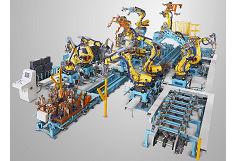
If you're looking for a reliable supplier of A PILLAR welding fixtures, look no further. Our company offers a wide range of Robotic Welding Fixture Line and Auto Pillar Parts Welding Fixture designed to meet the needs of the automotive manufacturing industry. Contact us today to learn more about our products and services and to discuss your specific requirements. We're here to help you achieve the best possible results in your A PILLAR welding process.
References
- Welding Handbook, American Welding Society
- Automotive Manufacturing Technology, Society of Automotive Engineers
- Fixture Design for Manufacturing and Assembly, CRC Press