Hey there! As a supplier of Robotic MIG Weld Fixtures, I've seen my fair share of welding issues, and one of the most common headaches is welding spatter. It's not only a nuisance but can also affect the quality of the weld and the overall efficiency of the welding process. In this blog, I'm gonna share some tips on how to prevent welding spatter in a Robotic MIG Weld Fixture.
Understanding Welding Spatter
First things first, let's talk about what welding spatter is. Welding spatter is those tiny droplets of molten metal that fly off during the welding process. They can land on the workpiece, the fixture, or even the surrounding area. Spatter can cause a bunch of problems, like rough weld surfaces, damage to the fixture, and increased cleanup time.
There are several factors that can contribute to welding spatter, including:
- Incorrect welding parameters: If the voltage, current, or wire feed speed is set too high or too low, it can cause spatter.
- Poor gas shielding: The shielding gas protects the weld from atmospheric contamination. If the gas flow rate is too low or the gas composition is incorrect, spatter can occur.
- Dirty or damaged welding equipment: A dirty or damaged welding gun, contact tip, or wire feeder can also lead to spatter.
- Incorrect wire selection: Using the wrong type or size of welding wire can cause spatter.
Tips to Prevent Welding Spatter
Now that we know what causes welding spatter, let's talk about how to prevent it. Here are some tips that I've found to be effective:
1. Optimize Welding Parameters
One of the most important things you can do to prevent welding spatter is to optimize your welding parameters. This means finding the right combination of voltage, current, and wire feed speed for your specific application. You can do this by conducting some test welds and adjusting the parameters until you get a clean, spatter-free weld.
Here are some general guidelines to follow:
- Voltage: The voltage should be set high enough to maintain a stable arc but not so high that it causes excessive spatter.
- Current: The current should be set based on the thickness of the material being welded. A higher current is typically required for thicker materials.
- Wire feed speed: The wire feed speed should be adjusted to match the voltage and current settings. A too high wire feed speed can cause spatter, while a too low speed can result in a poor-quality weld.
2. Use the Right Shielding Gas
The shielding gas plays a crucial role in preventing welding spatter. It protects the weld from atmospheric contamination and helps to create a stable arc. The most commonly used shielding gases for MIG welding are argon, carbon dioxide, and a mixture of the two.
Here are some tips for using the right shielding gas:
- Choose the right gas composition: The gas composition should be selected based on the type of material being welded and the desired weld quality. For example, a mixture of 75% argon and 25% carbon dioxide is commonly used for welding mild steel.
- Maintain the correct gas flow rate: The gas flow rate should be set according to the manufacturer's recommendations. A too low gas flow rate can cause spatter, while a too high rate can waste gas and create turbulence.
3. Keep Your Welding Equipment Clean and Well-Maintained
A dirty or damaged welding gun, contact tip, or wire feeder can cause spatter. It's important to keep your welding equipment clean and well-maintained to prevent this from happening.
Here are some tips for maintaining your welding equipment:
- Clean the welding gun regularly: Use a wire brush or a cleaning solution to remove any dirt, debris, or spatter from the welding gun.
- Replace the contact tip regularly: The contact tip is a wear item and should be replaced when it becomes worn or damaged.
- Inspect the wire feeder: Make sure the wire feeder is working properly and that the wire is feeding smoothly.
4. Select the Right Welding Wire
Using the right type and size of welding wire is essential for preventing welding spatter. Different types of welding wire are designed for different applications, so it's important to choose the right one for your specific needs.
Here are some tips for selecting the right welding wire:
- Choose the right wire type: The wire type should be selected based on the type of material being welded. For example, a solid wire is commonly used for welding mild steel, while a flux-cored wire is often used for welding thicker materials or in outdoor applications.
- Select the right wire size: The wire size should be chosen based on the thickness of the material being welded and the welding parameters. A too small wire size can cause spatter, while a too large size can result in a poor-quality weld.
5. Use Anti-Spatter Spray or Gel
Anti-spatter spray or gel can be applied to the workpiece and the fixture before welding to prevent spatter from sticking. This can make cleanup easier and reduce the risk of damage to the fixture.
Here are some tips for using anti-spatter spray or gel:
- Apply the spray or gel evenly: Make sure to cover the entire surface of the workpiece and the fixture with the spray or gel.
- Follow the manufacturer's instructions: Different anti-spatter products have different application instructions, so make sure to read and follow them carefully.
The Role of Robotic MIG Weld Fixtures
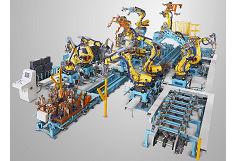
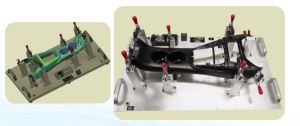
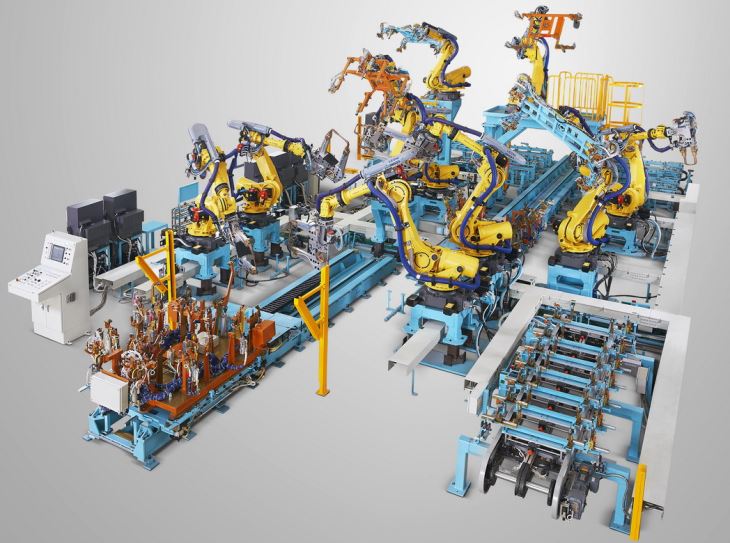
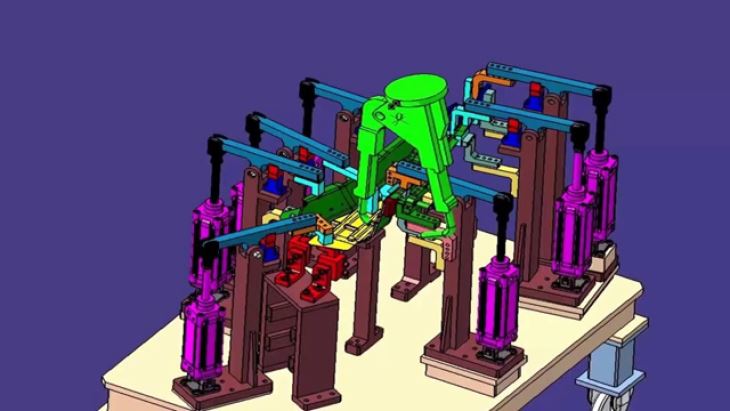
As a supplier of Robotic Welding Fixture Line, I know how important it is to have a high-quality fixture for your welding process. A well-designed fixture can help to prevent welding spatter by holding the workpiece in the correct position and ensuring a consistent weld.
Here are some features to look for in a Robotic MIG Weld Fixture:
- Accurate positioning: The fixture should be able to hold the workpiece in the correct position with high accuracy to ensure a consistent weld.
- Good accessibility: The fixture should provide easy access to the welding area to allow the welding gun to reach all the necessary points.
- Durable construction: The fixture should be made of high-quality materials and have a durable construction to withstand the rigors of the welding process.
- Customizable design: A customizable fixture can be tailored to your specific welding requirements, which can help to improve the quality and efficiency of your welding process.
Conclusion
Welding spatter is a common problem in the welding industry, but it can be prevented by following the tips outlined in this blog. By optimizing your welding parameters, using the right shielding gas, keeping your welding equipment clean and well-maintained, selecting the right welding wire, and using anti-spatter spray or gel, you can reduce the amount of spatter and improve the quality of your welds.
As a supplier of Robotic MIG Weld Fixtures, I'm here to help you find the right solution for your welding needs. Whether you're looking for an Auto Pillar Parts Welding Fixture or a complete Robotic Welding Fixture Line, I can provide you with high-quality products and expert advice.
If you're interested in learning more about our products or have any questions about preventing welding spatter, please don't hesitate to contact me. I'd be happy to discuss your requirements and help you find the right solution for your business.
References
- Welding Handbook, American Welding Society
- MIG Welding: Principles and Practices, Lincoln Electric