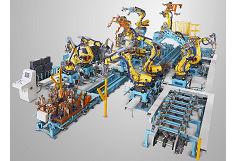
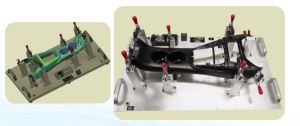
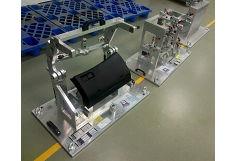
Optimizing the performance of an auto welding jig is crucial for automotive manufacturers and welding shops alike. As a seasoned supplier of auto welding jigs, I've witnessed firsthand the transformative impact that a well - optimized jig can have on production efficiency, weld quality, and overall cost - effectiveness. In this blog post, I'll share some key strategies and best practices to help you get the most out of your auto welding jigs.
Understanding the Basics of Auto Welding Jigs
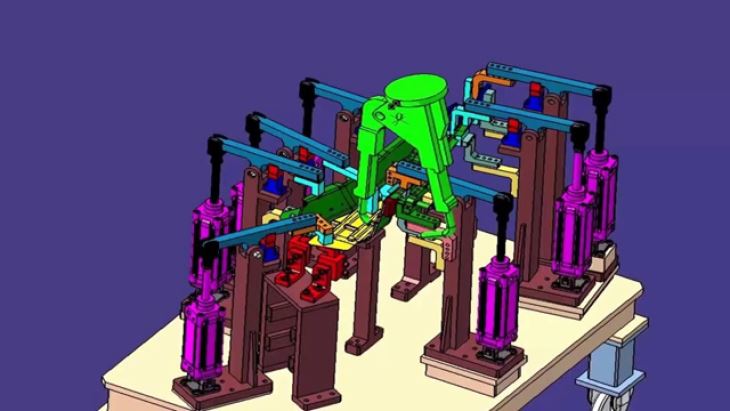
Before diving into optimization techniques, it's essential to understand what an auto welding jig is and its primary functions. An auto welding jig is a specialized tool used to hold and position automotive parts during the welding process. It ensures that the parts are aligned correctly, which is critical for achieving high - quality welds. These jigs come in various forms, from simple fixtures for small components to complex, multi - part setups for larger assemblies.
Material Selection
One of the first steps in optimizing an auto welding jig is choosing the right materials. The materials used in the construction of the jig should be able to withstand the heat, pressure, and mechanical stress associated with the welding process. High - strength steel alloys are a popular choice due to their excellent durability and resistance to deformation. Aluminum alloys can also be used, especially when weight reduction is a priority.
For example, if you're welding auto pillar parts, a jig made from a high - strength steel alloy can provide the necessary stability to hold the parts in place during the welding process. You can learn more about Auto Pillar Parts Welding Fixture on our website.
Design Optimization
The design of the auto welding jig plays a significant role in its performance. A well - designed jig should be easy to use, adjustable, and able to accommodate different part sizes and shapes. Here are some design considerations:
Modularity
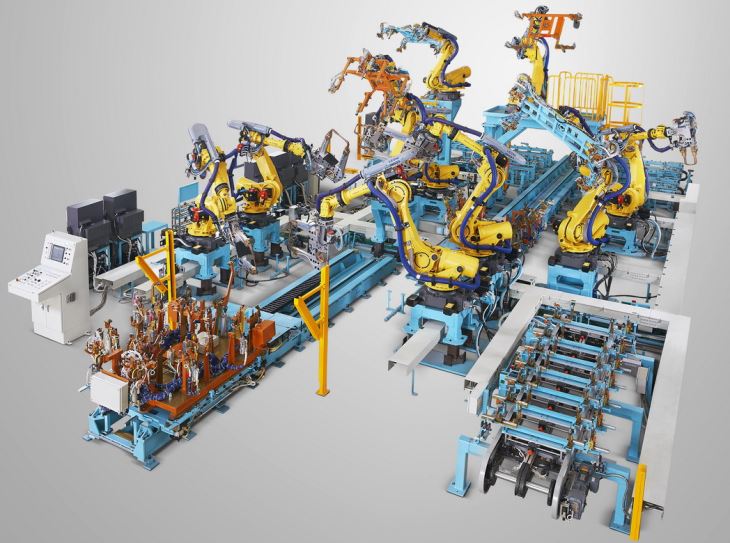
Design the jig with modular components. This allows for easy replacement of worn - out parts and quick reconfiguration for different welding tasks. For instance, a modular robotic welding fixture line can be adapted to weld various automotive components, reducing the need for multiple dedicated jigs. Check out our Robotic Welding Fixture Line for more information on modular designs.
Accessibility
Ensure that the jig provides easy access to the welding areas. This reduces the risk of weld defects caused by limited access and improves the overall efficiency of the welding process. Design the jig in such a way that the welder can easily reach all the necessary joints without having to reposition the parts multiple times.
Alignment and Clamping
Proper alignment and clamping are essential for achieving accurate welds. Use precision - machined components to ensure that the parts are held in the correct position. Adjustable clamps can be used to accommodate different part thicknesses and shapes, providing a secure hold during welding.
Maintenance and Inspection
Regular maintenance and inspection are vital for keeping the auto welding jig in optimal condition. Over time, the jig can experience wear and tear, which can affect its performance. Here are some maintenance tips:
Cleaning
Keep the jig clean by removing any welding spatter, debris, or rust. Regular cleaning prevents the build - up of contaminants that can interfere with the alignment and clamping of the parts. Use appropriate cleaning agents and tools to avoid damaging the jig's surface.
Lubrication
Lubricate moving parts, such as adjustable clamps and hinges, to ensure smooth operation. This reduces friction and wear, extending the lifespan of the jig. Use a high - quality lubricant that is compatible with the materials used in the jig.
Inspection
Conduct regular inspections to check for signs of wear, damage, or misalignment. Inspect the clamping mechanisms, alignment pins, and other critical components. Replace any worn - out parts immediately to prevent further damage and ensure the continued performance of the jig.
Operator Training
Even the best - designed and maintained auto welding jig will not perform optimally if the operators are not properly trained. Provide comprehensive training to the welders on how to use the jig correctly. This includes proper part loading, clamping, and alignment procedures.
Training should also cover safety protocols, such as how to handle the jig safely and avoid potential hazards. Well - trained operators are more likely to produce high - quality welds and use the jig efficiently, leading to improved overall performance.
Quality Control
Implement a robust quality control system to monitor the performance of the auto welding jig. This can include regular checks of the weld quality, dimensional accuracy of the welded parts, and the overall functionality of the jig.
Use inspection tools, such as calipers, gauges, and coordinate measuring machines (CMMs), to verify the accuracy of the welded parts. If any issues are detected, take immediate corrective actions, such as adjusting the jig or replacing worn - out components.
Cost - Benefit Analysis
When optimizing the performance of an auto welding jig, it's important to consider the cost - benefit ratio. Some optimization measures may require significant upfront investment, but they can result in long - term savings in terms of improved productivity, reduced scrap rates, and better weld quality.
For example, investing in a high - quality, modular robotic welding fixture line may be more expensive initially, but it can provide greater flexibility and efficiency in the long run. Calculate the potential savings in labor costs, material waste, and rework when evaluating different optimization options.
Collaboration with Suppliers
As a supplier of auto welding jigs, we are committed to working closely with our customers to optimize the performance of their jigs. We can provide technical support, customization services, and advice on the best materials and designs for your specific welding needs.
Our team of experts can help you troubleshoot any issues you may encounter with the jig and recommend appropriate optimization measures. By collaborating with us, you can ensure that your auto welding jig is always performing at its best.
Conclusion
Optimizing the performance of an auto welding jig is a multi - faceted process that involves material selection, design optimization, maintenance, operator training, quality control, and cost - benefit analysis. By implementing these strategies, automotive manufacturers and welding shops can improve the efficiency, quality, and cost - effectiveness of their welding operations.
If you're interested in learning more about our auto welding jigs or have any questions about optimizing their performance, we encourage you to contact us. Our team is ready to assist you in finding the best solutions for your welding needs. Let's work together to take your welding operations to the next level.
References
- ASM Handbook Volume 6: Welding, Brazing, and Soldering. ASM International.
- Welding Principles and Applications. Larry Jeffus.
- Automotive Welding Technology. David A. Haldeman.