How to Improve the Efficiency of Chinese Auto Welding Jig
As a dedicated supplier of Auto Welding Jig in China, I've witnessed firsthand the dynamic nature of the automotive manufacturing industry. The efficiency of auto welding jigs is a critical factor that directly impacts the overall productivity, quality, and cost - effectiveness of automotive production. In this blog, I'll share some insights and strategies on how to enhance the efficiency of Chinese auto welding jigs.
1. Advanced Design and Engineering
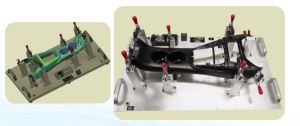
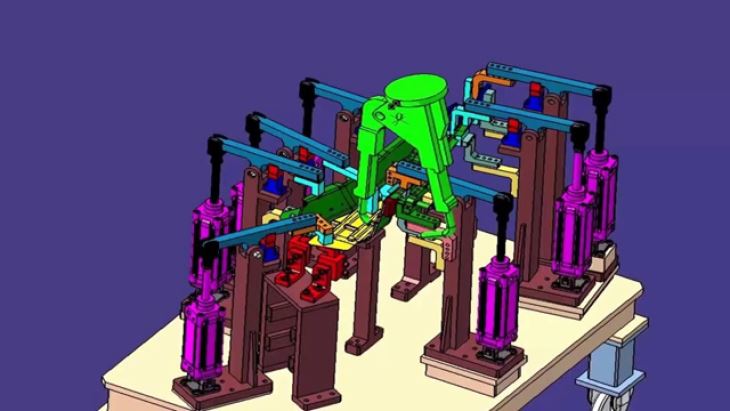
The foundation of an efficient auto welding jig lies in its design. Employing advanced design software and engineering principles can significantly improve the performance of the jig. For example, using 3D modeling software allows for precise visualization and simulation of the welding process. This enables engineers to identify potential issues such as interference, improper clamping, or inefficient welding paths before the physical jig is manufactured.
In addition, modular design concepts can be applied to auto welding jigs. Modular jigs are composed of standardized components that can be easily assembled, disassembled, and reconfigured. This flexibility not only reduces the manufacturing time but also allows for quick adaptation to different welding requirements. For instance, if a new auto model requires a different welding configuration, the modular jig can be adjusted by replacing or rearranging specific components, rather than building a completely new jig from scratch.
Moreover, ergonomic design is also crucial. A well - designed jig should be easy for operators to use, with clear access to all welding points and controls. This reduces operator fatigue and improves the accuracy of the welding process, ultimately leading to higher efficiency.
2. High - Quality Materials and Manufacturing Processes
The choice of materials for auto welding jigs is of utmost importance. High - strength and heat - resistant materials can ensure the durability and stability of the jig during the welding process. For example, using alloy steels or aluminum alloys with excellent mechanical properties can withstand the high temperatures and forces generated during welding, preventing deformation and ensuring the long - term accuracy of the jig.
In terms of manufacturing processes, precision machining techniques such as CNC machining are essential. CNC machining can achieve high - precision dimensions and surface finishes, which are crucial for the proper functioning of the jig. Additionally, strict quality control measures should be implemented throughout the manufacturing process to ensure that each component of the jig meets the required standards.
3. Automation and Integration
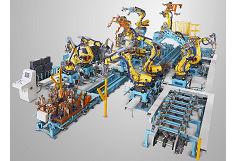
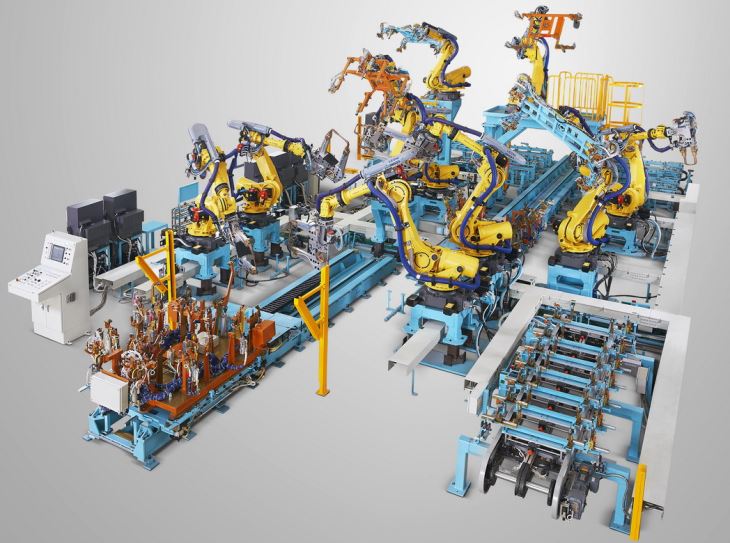
Automation is a key trend in the automotive manufacturing industry, and it can also greatly improve the efficiency of auto welding jigs. Robotic welding systems can be integrated with auto welding jigs to perform repetitive welding tasks with high precision and speed. The Robotic Welding Fixture Line is a prime example of how automation can be incorporated into the welding process. Robots can be programmed to follow specific welding paths, adjust welding parameters in real - time, and perform quality inspections, reducing the need for manual intervention and minimizing human errors.
Furthermore, the integration of sensors and monitoring systems can enhance the efficiency of the welding process. Sensors can be used to detect parameters such as temperature, pressure, and welding current, providing real - time feedback to the control system. This allows for immediate adjustments to be made to optimize the welding process and ensure consistent quality.
4. Training and Skill Development
Even with the most advanced equipment and technology, the efficiency of auto welding jigs also depends on the skills and knowledge of the operators. Regular training programs should be provided to operators to ensure they are familiar with the operation and maintenance of the jigs. Training can cover topics such as jig setup, welding techniques, safety procedures, and troubleshooting.
In addition, continuous skill development opportunities should be offered to encourage operators to keep up with the latest technologies and best practices in the industry. This can include attending industry seminars, workshops, and training courses, as well as participating in internal knowledge - sharing sessions.
5. Maintenance and Upgrades
Regular maintenance is essential to keep auto welding jigs in optimal condition. A well - maintained jig is less likely to experience breakdowns and can operate more efficiently. Maintenance tasks can include cleaning, lubrication, inspection of components for wear and tear, and replacement of damaged parts.
Furthermore, periodic upgrades should be considered to keep the jig up - to - date with the latest technological advancements. For example, upgrading the control system of the jig can improve its performance and functionality, while replacing old components with new, more efficient ones can enhance the overall efficiency of the welding process.
6. Supply Chain Management
Efficient supply chain management is also crucial for improving the efficiency of auto welding jigs. As a supplier, it is important to establish strong partnerships with reliable material suppliers and component manufacturers. This ensures a stable supply of high - quality materials and components, reducing the risk of production delays.
In addition, just - in - time (JIT) inventory management can be implemented to minimize inventory costs and improve cash flow. By receiving materials and components just in time for production, the need for large - scale storage is eliminated, and the overall efficiency of the manufacturing process is improved.
7. Collaboration and Innovation
Collaboration between different stakeholders in the automotive industry, such as suppliers, manufacturers, and research institutions, can lead to significant improvements in the efficiency of auto welding jigs. By sharing knowledge, resources, and expertise, new ideas and solutions can be developed.
For example, suppliers can work closely with automotive manufacturers to understand their specific requirements and develop customized welding jigs. Research institutions can provide cutting - edge research and development support, helping to introduce new materials, technologies, and manufacturing processes.
Innovation is also essential for staying ahead in the competitive market. By investing in research and development, suppliers can continuously improve their products and services, offering more efficient and cost - effective auto welding jigs. For instance, the development of new types of Auto Pillar Parts Welding Fixture can meet the evolving needs of the automotive industry, such as lighter weight and higher strength requirements.
In conclusion, improving the efficiency of Chinese auto welding jigs requires a comprehensive approach that encompasses design, materials, automation, training, maintenance, supply chain management, and collaboration. By implementing these strategies, we can not only enhance the productivity and quality of automotive manufacturing but also gain a competitive edge in the global market.
If you are interested in our auto welding jigs or would like to discuss potential procurement opportunities, please feel free to contact us. We are committed to providing high - quality products and excellent service to meet your specific needs.
References
- "Automotive Welding Technology" - A comprehensive textbook on automotive welding processes and equipment.
- Industry reports from leading automotive research firms on the trends and challenges in auto welding jig manufacturing.
- Technical papers presented at international automotive engineering conferences on the latest advancements in auto welding jigs.