Calibrating a Cupholder CMM Holding Jig is a crucial process that ensures the accuracy and reliability of measurements in the manufacturing of cupholders. As a leading supplier of Cupholder CMM Holding Fixture, we understand the significance of proper calibration in achieving high - quality products. In this blog, we will delve into the step - by - step process of calibrating a Cupholder CMM Holding Jig.
Understanding the Cupholder CMM Holding Jig
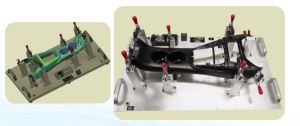
Before we start the calibration process, it's essential to have a clear understanding of what a Cupholder CMM Holding Jig is. A CMM (Coordinate Measuring Machine) holding jig is a device used to securely hold the cupholder in place during the measurement process. It ensures that the cupholder is positioned accurately relative to the CMM probe, allowing for precise measurements of its dimensions, shapes, and other critical features.
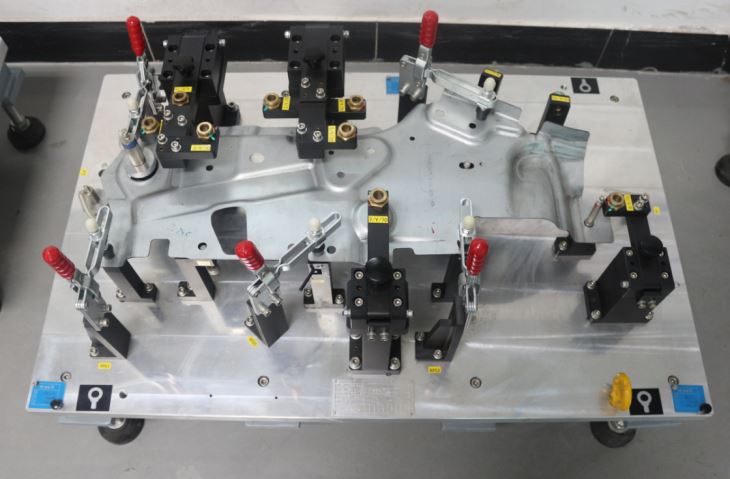

Our Auto Metal Parts CMM Holding Fixture is designed with high - precision materials and advanced manufacturing techniques. It provides a stable and repeatable platform for cupholder measurement, which is vital for quality control in the automotive and other industries where cupholders are used.
Preparation for Calibration
The first step in calibrating a Cupholder CMM Holding Jig is preparation. This involves gathering all the necessary tools and equipment. You will need a calibrated CMM machine, appropriate measuring tools such as gauge blocks, and a clean and stable work environment.
- Clean the Jig: Thoroughly clean the Cupholder CMM Holding Jig to remove any dirt, debris, or contaminants. This is important because even small particles can affect the accuracy of the calibration. Use a mild cleaning solution and a soft cloth to clean the surfaces of the jig.
- Inspect for Damage: Carefully inspect the jig for any signs of damage, such as cracks, scratches, or worn - out parts. Any damaged components should be replaced before calibration to ensure accurate results.
- Verify CMM Machine Calibration: Ensure that the CMM machine itself is properly calibrated. The accuracy of the CMM machine is the foundation for the calibration of the holding jig. Refer to the manufacturer's guidelines for the CMM machine calibration process.
Initial Setup
Once the preparation is complete, it's time to set up the Cupholder CMM Holding Jig on the CMM machine.
- Mount the Jig: Place the jig on the CMM machine table. Make sure it is securely fastened using the appropriate mounting hardware. The jig should be positioned in a way that allows easy access for the CMM probe to reach all the critical measurement points on the cupholder.
- Establish a Datum System: A datum system is a set of reference points and planes that define the coordinate system for the measurement. Select appropriate datum features on the jig, such as flat surfaces or holes, and establish the datum system according to the design requirements of the cupholder. This will ensure that all measurements are made relative to a consistent reference.
Measuring Key Dimensions
The next step is to measure the key dimensions of the Cupholder CMM Holding Jig.
- Use Gauge Blocks: Gauge blocks are precision - made blocks of known dimensions. Place gauge blocks on the jig at specific locations and use the CMM machine to measure the distances between the gauge blocks and the relevant features of the jig. Compare the measured values with the known values of the gauge blocks. Any deviations should be noted for further adjustment.
- Measure Hole Positions and Sizes: If the jig has holes for holding the cupholder or for alignment purposes, measure the positions and sizes of these holes using the CMM machine. The accuracy of hole positions is crucial for ensuring proper alignment of the cupholder during measurement.
- Check Surface Flatness and Parallelism: Measure the flatness and parallelism of the important surfaces of the jig. These surface characteristics can affect the stability and accuracy of the cupholder during measurement. Use the CMM machine to take multiple points on the surfaces and analyze the data to determine if the flatness and parallelism meet the required specifications.
Adjustment and Fine - Tuning
Based on the measurement results, make any necessary adjustments to the Cupholder CMM Holding Jig.
- Mechanical Adjustments: If there are deviations in the measured dimensions, such as misaligned holes or uneven surfaces, make mechanical adjustments to the jig. This may involve loosening and tightening screws, shimming, or using other adjustment mechanisms provided by the jig design.
- Repeat Measurements: After making adjustments, repeat the measurement process to verify the effectiveness of the adjustments. Continue to make fine - tuning adjustments until the measured values are within the acceptable tolerance range.
Verification and Documentation
Once the adjustments are made and the measurements are within the tolerance range, it's time to verify the calibration and document the results.
- Verification Measurement: Take a final set of measurements to confirm that the Cupholder CMM Holding Jig is properly calibrated. These measurements should cover all the critical dimensions and features of the jig.
- Document the Results: Record all the measurement data, including the initial measurements, the adjustments made, and the final measurement results. This documentation is important for quality control and traceability. It can also be used for future reference in case of any issues with the jig or the measurement process.
Benefits of Proper Calibration
Proper calibration of the Cupholder CMM Holding Jig offers several benefits.
- Improved Measurement Accuracy: A well - calibrated jig ensures that the cupholder measurements are accurate, which is essential for maintaining product quality. This can reduce the number of defective products and improve customer satisfaction.
- Enhanced Process Efficiency: Accurate calibration reduces the need for re - work and adjustments during the manufacturing process. It allows for faster and more efficient production, leading to cost savings.
- Compliance with Standards: Many industries have strict quality standards and regulations. Proper calibration of the holding jig helps ensure compliance with these standards, which is important for market access and business reputation.
Conclusion
Calibrating a Cupholder CMM Holding Jig is a complex but essential process for ensuring accurate and reliable cupholder measurements. As a supplier of high - quality Cupholder CMM Holding Fixture, we are committed to providing products that meet the highest standards of accuracy and performance.
If you are in the market for a Cupholder CMM Holding Jig or need assistance with calibration, we invite you to contact us for a procurement discussion. Our team of experts is ready to provide you with the best solutions for your cupholder measurement needs.
References
- ASME B89.1.12 - 2007, “Performance Evaluation of Coordinate Measuring Machines (CMMs)”
- ISO 10360 - 2:2009, “Geometrical product specifications (GPS) — Acceptance and reverification tests for coordinate measuring machines (CMM) — Part 2: CMMs used for measuring linear dimensions”