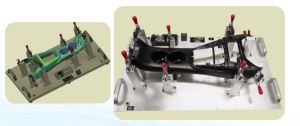
Hey there! As a supplier of checking fixtures, I've seen firsthand how important it is to store these tools properly. Checking fixtures are crucial for ensuring the quality and accuracy of parts in various industries, from automotive to aerospace. In this blog post, I'll share some tips on how to store checking fixtures to keep them in top condition and ready for use.
Why Proper Storage Matters
First off, let's talk about why proper storage is so important. Checking fixtures are precision tools that are designed to measure and inspect parts with high accuracy. If they're not stored correctly, they can get damaged, which can lead to inaccurate measurements and costly production delays.
For example, if a checking fixture is stored in a damp environment, it can rust or corrode, which can affect its performance. Similarly, if it's stored in a place where it can be easily knocked or bumped, it can get bent or warped, making it useless for its intended purpose.
Proper storage also helps to extend the lifespan of checking fixtures. By keeping them clean, dry, and protected, you can ensure that they last for many years, saving you money in the long run.
Choosing the Right Storage Location
The first step in storing checking fixtures properly is to choose the right location. You want to find a place that is clean, dry, and temperature-controlled. Avoid storing checking fixtures in areas that are prone to moisture, such as basements or near water sources.
Ideally, you should store checking fixtures in a dedicated storage area, such as a tool room or a storage cabinet. This will help to protect them from dust, dirt, and other contaminants, as well as prevent them from being damaged by other tools or equipment.
If you don't have a dedicated storage area, you can still store checking fixtures in a clean, dry corner of your workshop or factory. Just make sure that they're not exposed to direct sunlight or extreme temperatures, as this can also damage them.
Cleaning and Preparing Checking Fixtures for Storage
Before you store checking fixtures, it's important to clean them thoroughly. Use a clean, dry cloth to wipe away any dirt, debris, or oil from the surface of the fixture. You can also use a mild cleaning solution if necessary, but make sure to rinse it off thoroughly and dry the fixture completely before storing it.
In addition to cleaning, you should also inspect checking fixtures for any signs of damage or wear. If you notice any cracks, chips, or other damage, you should repair or replace the fixture before storing it. This will help to ensure that it's in good working condition when you need to use it again.
Using Proper Storage Containers
Once you've cleaned and inspected your checking fixtures, it's time to store them in the right containers. You want to use containers that are specifically designed for storing checking fixtures, as these will provide the best protection.
There are many different types of storage containers available, including plastic cases, metal cabinets, and wooden boxes. Choose a container that is the right size and shape for your checking fixtures, and make sure that it has a secure lid or closure to prevent dust, dirt, and other contaminants from getting inside.


If you're storing multiple checking fixtures, you may want to use dividers or compartments to keep them organized and prevent them from getting damaged. This will also make it easier to find the fixture you need when you need it.
Labeling and Organizing Checking Fixtures
Labeling and organizing your checking fixtures is an important part of proper storage. By labeling each fixture with its name, part number, and any other relevant information, you can easily identify it when you need to use it.
You can use labels, tags, or even a barcode system to label your checking fixtures. Make sure that the labels are clear and easy to read, and that they're attached securely to the fixture.
In addition to labeling, you should also organize your checking fixtures in a logical way. You can group them by type, size, or function, for example. This will make it easier to find the fixture you need when you need it, and will also help to prevent them from getting lost or misplaced.
Maintaining Checking Fixtures in Storage
Even when checking fixtures are in storage, it's important to maintain them properly. This includes periodically inspecting them for any signs of damage or wear, and cleaning them if necessary.
You should also check the storage environment regularly to make sure that it's still clean, dry, and temperature-controlled. If you notice any changes in the environment, such as an increase in humidity or temperature, you should take steps to correct it immediately.
In addition to regular maintenance, you should also follow any manufacturer's recommendations for storing and maintaining your checking fixtures. This may include specific cleaning procedures, lubrication requirements, or other instructions.
Conclusion
Proper storage of checking fixtures is essential for ensuring their accuracy, reliability, and longevity. By choosing the right storage location, cleaning and preparing them for storage, using proper storage containers, labeling and organizing them, and maintaining them in storage, you can keep your checking fixtures in top condition and ready for use.
If you're in the market for high-quality checking fixtures, be sure to check out our website at Checking And CMM Fixtures. We're a leading Checking Fixture And Gage Manufacturer that offers a wide range of Checking Fixture And Gages to meet your needs.
If you have any questions or would like to discuss your specific requirements, please don't hesitate to contact us. We're here to help you find the right checking fixtures for your application, and to provide you with the support and service you need to keep them in top condition.