As a supplier of A PILLAR welding fixtures, I often get asked the question: Can an A PILLAR welding fixture be used for welding different materials? This is a crucial query for many in the automotive and manufacturing industries, where the need for versatility in welding processes is ever - present. In this blog, I'll delve into the factors that determine whether an A PILLAR welding fixture can be used across various materials, and share some insights based on our experience in the field.
Understanding A PILLAR Welding Fixtures
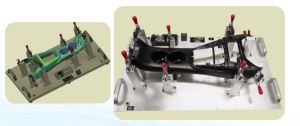
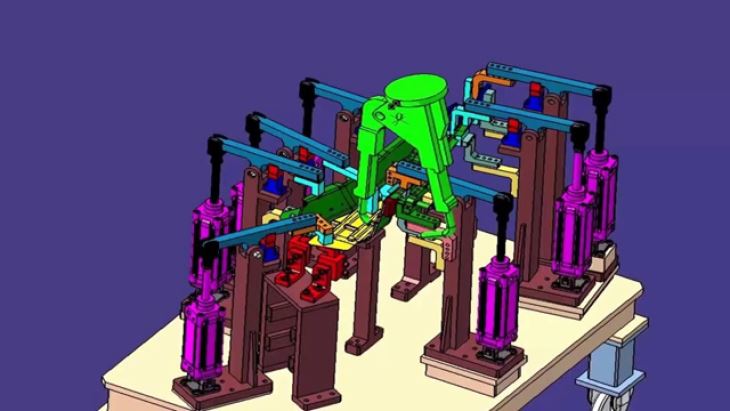
Before we explore the compatibility with different materials, let's first understand what an A PILLAR welding fixture is. The A - pillar is a critical structural component in vehicles, located on either side of the windshield at the front of the car. A PILLAR welding fixtures are designed to hold the A - pillar components in place during the welding process, ensuring precise alignment and high - quality welds. These fixtures are typically custom - engineered to meet the specific requirements of different vehicle models, including the shape, size, and joint design of the A - pillar parts.
The quality of an A PILLAR welding fixture depends on several factors, such as the accuracy of its clamping mechanisms, the stability of its base, and the ability to resist deformation during the welding process. A well - designed fixture can significantly improve the efficiency and quality of the welding operation, reducing the likelihood of defects and rework.
Compatibility with Different Materials
The answer to whether an A PILLAR welding fixture can be used for welding different materials is not a straightforward yes or no. It depends on several key factors:
1. Material Properties
Different materials have distinct physical and chemical properties that can affect the welding process. For example, steel, aluminum, and magnesium alloys have different melting points, thermal conductivities, and coefficients of thermal expansion. Steel has a relatively high melting point and good weldability with common welding methods such as MIG (Metal Inert Gas) and TIG (Tungsten Inert Gas) welding. Aluminum, on the other hand, has a lower melting point and higher thermal conductivity, which requires specialized welding techniques and equipment.
When considering using an A PILLAR welding fixture for different materials, the fixture must be able to withstand the heat generated during the welding process without significant deformation. If the fixture is designed primarily for steel welding, using it for aluminum welding might pose challenges because aluminum welding generates less heat but requires more precise control of the welding parameters. The fixture's clamping mechanisms should also be able to securely hold the different materials without causing damage or slippage.
2. Welding Processes
The choice of welding process also plays a crucial role in determining the fixture's compatibility with different materials. Different materials are better suited to specific welding processes. For instance, resistance spot welding is commonly used for steel A - pillars, while friction stir welding is often preferred for aluminum A - pillars due to its ability to produce high - quality welds without melting the base material.
An A PILLAR welding fixture designed for a particular welding process may not be suitable for another process. For example, a fixture designed for resistance spot welding has specific electrode holders and cooling systems that are optimized for that process. Using this fixture for a different welding process, such as laser welding, may require significant modifications or even a completely new fixture design.
3. Surface Finish and Coating
The surface finish and coating of the materials can also impact the performance of the welding fixture. Some materials may have a protective coating that needs to be removed or properly managed during the welding process. For example, galvanized steel has a zinc coating that can vaporize during welding, causing porosity and other defects in the weld. The fixture should be designed to accommodate the removal or protection of the coating to ensure high - quality welds.
In addition, the surface finish of the materials can affect the clamping force and alignment. Rough or uneven surfaces may require different clamping mechanisms or additional support to ensure proper alignment during welding.
Advantages of Using a Versatile A PILLAR Welding Fixture
Despite the challenges, there are several advantages to having an A PILLAR welding fixture that can be used for different materials:
1. Cost - Efficiency
Investing in a single fixture that can handle multiple materials can significantly reduce costs for manufacturers. Instead of purchasing separate fixtures for each material, a versatile fixture allows for more flexibility in production, reducing the need for additional equipment and storage space.
2. Increased Production Flexibility
In today's dynamic automotive market, manufacturers often need to produce vehicles with different material combinations to meet various customer demands and regulatory requirements. A versatile A PILLAR welding fixture enables manufacturers to quickly switch between different materials without the need for extensive retooling, improving production efficiency and responsiveness.
3. Quality Control
Using a single fixture for different materials can also improve quality control. Since the fixture design is consistent, the welding process can be more easily standardized and optimized, reducing the variability in weld quality across different materials.
Our Solutions as a Supplier
At our company, we understand the importance of providing versatile A PILLAR welding fixtures that can adapt to different materials. We offer a range of customizable fixtures that are designed to meet the specific needs of our customers.
We work closely with our clients to understand their material requirements, welding processes, and production goals. Our engineering team uses advanced design software and simulation tools to optimize the fixture design for different materials. For example, we can adjust the clamping force and geometry of the fixture to accommodate the unique properties of each material.
In addition, we provide comprehensive after - sales support, including fixture maintenance, repair, and modification services. Our goal is to ensure that our customers can get the most out of our A PILLAR welding fixtures, regardless of the materials they are welding.
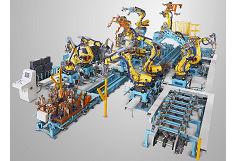
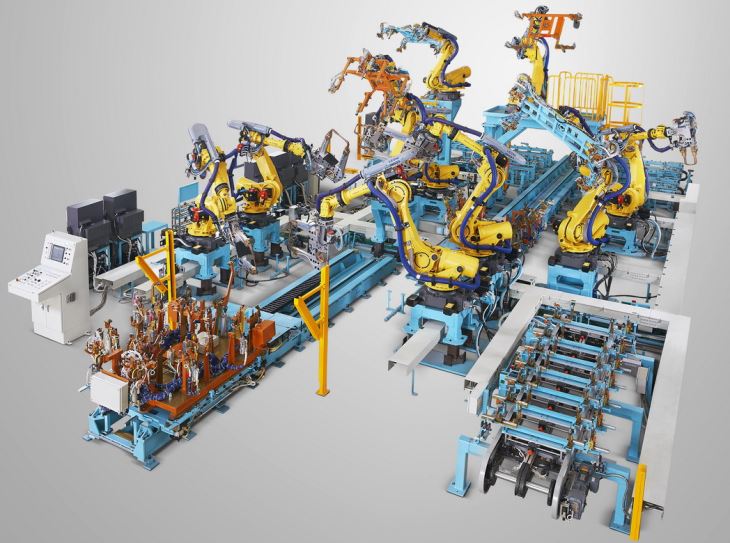
We also offer Robotic Welding Fixture Line and Auto Pillar Parts Welding Fixture that are designed with versatility in mind. These fixtures can be easily integrated into existing production lines and are suitable for a wide range of materials and welding processes.
Conclusion
In conclusion, while it is possible to use an A PILLAR welding fixture for welding different materials, it requires careful consideration of material properties, welding processes, and surface finish. A well - designed and versatile fixture can offer significant cost - savings, production flexibility, and quality control benefits.
If you are in the market for an A PILLAR welding fixture and are looking for a solution that can handle different materials, we invite you to contact us for a consultation. Our team of experts is ready to work with you to find the best fixture solution for your specific needs. Whether you are welding steel, aluminum, or other materials, we have the experience and expertise to provide you with a high - quality and versatile A PILLAR welding fixture.
References
- AWS Welding Handbook, Volume 1: Welding Science and Technology, American Welding Society
- Automotive Welding Technology, edited by various industry experts
- Journal of Manufacturing Science and Engineering, various articles on welding fixture design and materials compatibility