Are there different types of Robotic MIG Weld Fixtures?
As a supplier of Robotic MIG Weld Fixtures, I often get asked about the different types available in the market. The answer is a resounding yes! There are indeed various types of robotic MIG weld fixtures, each designed to meet specific welding requirements and applications. In this blog post, I'll delve into the details of these different types and explain how they can benefit your welding operations.
Fixed Weld Fixtures
Fixed weld fixtures are the most basic type of robotic MIG weld fixtures. They are designed to hold the workpiece in a fixed position during the welding process. These fixtures are typically used for simple welding tasks where the workpiece has a consistent shape and size. Fixed weld fixtures are relatively inexpensive and easy to set up, making them a popular choice for small-scale welding operations.
One of the key advantages of fixed weld fixtures is their stability. Since the workpiece is held firmly in place, there is less chance of movement during the welding process, which results in more accurate and consistent welds. Additionally, fixed weld fixtures can be customized to fit the specific requirements of the workpiece, ensuring a perfect fit every time.
However, fixed weld fixtures also have some limitations. They are not suitable for welding complex or irregularly shaped workpieces, as they do not provide the flexibility needed to accommodate different geometries. Additionally, once a fixed weld fixture is set up, it can be difficult and time-consuming to make changes or adjustments.
Adjustable Weld Fixtures
Adjustable weld fixtures offer more flexibility than fixed weld fixtures. They are designed to be easily adjusted to accommodate different workpiece sizes and shapes. These fixtures typically feature adjustable clamps, brackets, and other components that can be moved or repositioned to fit the specific requirements of the workpiece.
One of the main advantages of adjustable weld fixtures is their versatility. They can be used for a wide range of welding applications, from simple to complex. Additionally, adjustable weld fixtures can be quickly and easily reconfigured to accommodate different workpieces, which makes them ideal for high-volume production environments.
Another advantage of adjustable weld fixtures is their ability to improve productivity. Since they can be easily adjusted, there is less downtime between welding jobs, which means more parts can be welded in less time. Additionally, adjustable weld fixtures can help to reduce waste and improve quality by ensuring that the workpiece is held in the correct position during the welding process.
However, adjustable weld fixtures also have some drawbacks. They are generally more expensive than fixed weld fixtures, and they require more skill and experience to set up and operate. Additionally, the adjustable components of these fixtures can wear out over time, which may require regular maintenance and replacement.
Modular Weld Fixtures
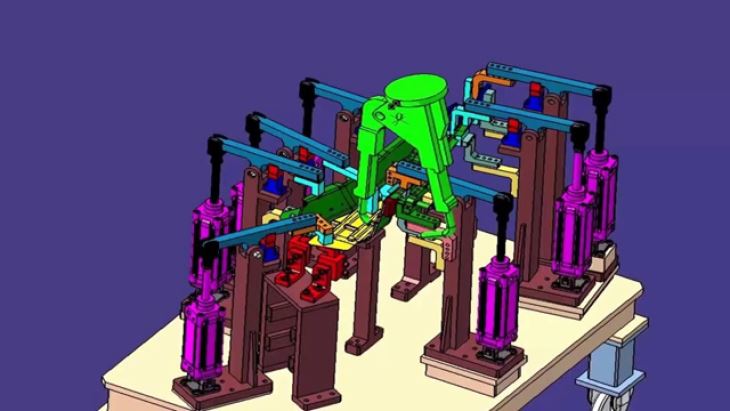
Modular weld fixtures are a type of adjustable weld fixture that is made up of pre-fabricated modules. These modules can be easily assembled and disassembled to create a custom fixture that is tailored to the specific requirements of the workpiece. Modular weld fixtures are typically used for medium to high-volume production environments, where flexibility and efficiency are key.
One of the main advantages of modular weld fixtures is their flexibility. They can be easily reconfigured to accommodate different workpieces, which makes them ideal for companies that produce a variety of parts. Additionally, modular weld fixtures can be quickly and easily assembled and disassembled, which reduces downtime between welding jobs and improves productivity.
Another advantage of modular weld fixtures is their cost-effectiveness. Since they are made up of pre-fabricated modules, they can be produced more quickly and at a lower cost than custom-designed fixtures. Additionally, modular weld fixtures can be reused for multiple projects, which helps to reduce the overall cost of welding operations.
However, modular weld fixtures also have some limitations. They may not be suitable for welding very large or complex workpieces, as the modules may not be able to provide the necessary support and stability. Additionally, the modular design of these fixtures may limit their ability to be customized to fit the exact requirements of the workpiece.
Specialized Weld Fixtures
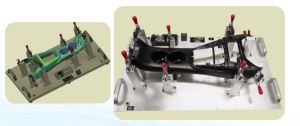
In addition to the types of weld fixtures mentioned above, there are also specialized weld fixtures that are designed for specific applications. For example, Auto Pillar Parts Welding Fixture are specifically designed for welding automotive pillar parts. These fixtures are typically customized to fit the unique shape and size of the pillar parts, and they may feature special clamps, brackets, and other components to ensure a precise and consistent weld.
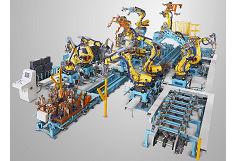
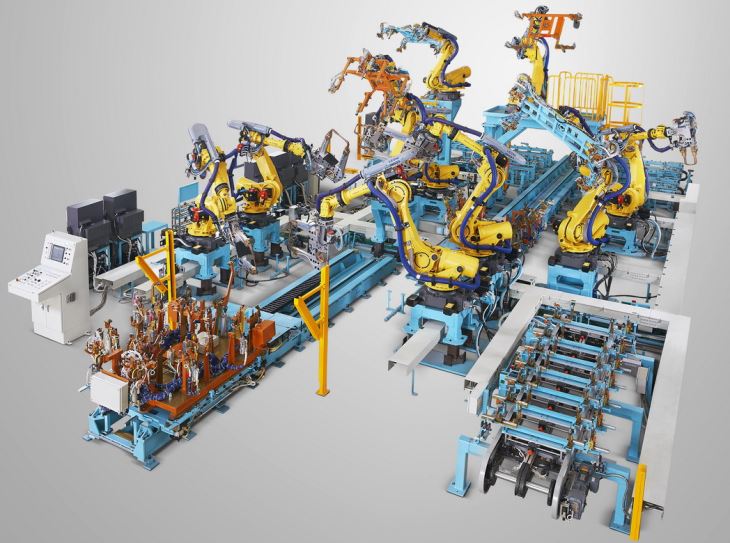
Another example of a specialized weld fixture is the Robotic Welding Fixture Line. This type of fixture is designed to be used in conjunction with a robotic welding system, and it is typically customized to fit the specific requirements of the robot and the welding process. Robotic welding fixture lines can help to improve productivity, quality, and consistency by automating the welding process and reducing the need for manual labor.
Specialized weld fixtures offer several advantages over standard fixtures. They are designed to meet the specific requirements of the application, which means they can provide a higher level of precision and accuracy. Additionally, specialized weld fixtures can help to improve productivity and reduce costs by streamlining the welding process and reducing the need for manual labor.
However, specialized weld fixtures also have some limitations. They are typically more expensive than standard fixtures, and they may require more time and effort to design and manufacture. Additionally, since they are designed for specific applications, they may not be suitable for use in other types of welding operations.
Conclusion
In conclusion, there are indeed different types of robotic MIG weld fixtures available, each with its own advantages and limitations. The type of fixture that is best for your welding operation will depend on a variety of factors, including the size and shape of the workpiece, the complexity of the welding process, and the volume of production.
As a supplier of Robotic MIG Weld Fixtures, I can help you to choose the right type of fixture for your specific needs. Whether you need a simple fixed fixture or a complex modular fixture, I have the expertise and experience to provide you with a high-quality solution that will meet your requirements and exceed your expectations.
If you are interested in learning more about our Robotic MIG Weld Fixtures or would like to discuss your specific welding needs, please contact us today. Our team of experts will be happy to answer your questions and provide you with a free consultation. We look forward to working with you to improve your welding operations and achieve your business goals.
References
- AWS Welding Handbook, Volume 1: Welding Science and Technology, American Welding Society
- Welding Fixtures: Design and Application, by John R. Walker
- Robotic Welding: Technology and Applications, by David A. Dornfeld