The lifespan of an auto welding jig is a crucial consideration for automotive manufacturers and suppliers alike. As a provider of high - quality auto welding jigs, I've witnessed firsthand the impact that the lifespan of these tools has on production efficiency, cost - effectiveness, and overall product quality. In this blog, I'll delve into the factors that determine the lifespan of an auto welding jig, how to extend it, and why it matters in the automotive industry.
Factors Affecting the Lifespan of an Auto Welding Jig
Material Quality
The choice of materials used in the construction of an auto welding jig is perhaps the most fundamental factor influencing its lifespan. High - grade steel alloys, for instance, are commonly used due to their excellent strength, durability, and resistance to heat and wear. When we select materials for our auto welding jigs, we focus on those that can withstand the high - temperature environment of the welding process and the mechanical stresses involved in holding and positioning automotive parts accurately.
For example, if a welding jig is made from low - quality steel, it may start to warp or deform after only a few hundred welding cycles. On the other hand, a jig constructed from premium - grade alloy steel can endure thousands of cycles without significant degradation. This difference in material quality can mean the difference between a jig that needs to be replaced frequently and one that serves the production line for years.
Design and Engineering
The design of an auto welding jig plays a vital role in its lifespan. A well - designed jig will distribute the forces evenly during the welding process, reducing the stress on individual components. This includes features such as proper reinforcement, optimized clamping mechanisms, and strategic placement of cooling channels (if applicable).
In our experience, a poorly designed jig may have areas of concentrated stress, which can lead to premature failure. For example, if the clamping points are not properly aligned or if the structure is not rigid enough, the jig may shift during welding, causing inaccurate welds and increasing the wear and tear on the jig itself. Our engineering team spends a significant amount of time on detailed design and simulation to ensure that our auto welding jigs are not only functional but also durable.
Operating Conditions
The environment in which an auto welding jig operates can have a profound impact on its lifespan. High - volume production lines with continuous welding operations subject the jigs to more wear and tear compared to low - volume or intermittent production. Additionally, the type of welding process used (e.g., MIG, TIG, spot welding) can also affect the jig's lifespan.
For example, spot welding generates high - intensity heat in a localized area, which can cause thermal expansion and contraction in the jig. If the jig is not designed to handle these thermal stresses, it may crack or warp over time. Similarly, exposure to corrosive substances or abrasive particles in the production environment can also degrade the surface of the jig, reducing its lifespan.
Maintenance and Care
Regular maintenance and proper care are essential for extending the lifespan of an auto welding jig. This includes cleaning the jig after each use to remove welding spatter, debris, and other contaminants. Lubrication of moving parts, such as clamping mechanisms and hinges, is also crucial to prevent friction and wear.
Inspections should be carried out at regular intervals to detect any signs of damage or wear early. Minor issues, such as loose bolts or worn - out clamping pads, can be easily repaired if caught in time, preventing more significant problems down the line. Our company provides detailed maintenance guidelines to our customers to ensure that their auto welding jigs are well - cared for.
Extending the Lifespan of an Auto Welding Jig
Proactive Maintenance
Implementing a proactive maintenance schedule is one of the most effective ways to extend the lifespan of an auto welding jig. This involves regular inspections, cleaning, lubrication, and replacement of worn - out parts. By identifying and addressing potential issues before they become major problems, manufacturers can avoid costly downtime and premature replacement of the jig.
For example, we recommend that our customers perform a visual inspection of the jig before each use and a more comprehensive inspection at least once a month. During these inspections, they should check for signs of wear, such as cracks, deformation, or excessive corrosion. If any issues are detected, they should be addressed immediately.
Upgrades and Modifications
As technology advances and production requirements change, upgrading and modifying existing auto welding jigs can be a cost - effective way to extend their lifespan. This may involve adding new features, such as improved clamping mechanisms or enhanced cooling systems, to improve the jig's performance and durability.
For instance, if a production line is transitioning to a new welding process that generates more heat, adding additional cooling channels to the jig can help dissipate the heat more effectively, reducing thermal stress and extending the jig's lifespan. Our company offers upgrade and modification services to help our customers get the most out of their existing auto welding jigs.
Operator Training
Proper operator training is also crucial for extending the lifespan of an auto welding jig. Operators should be trained on how to use the jig correctly, including proper clamping techniques, welding parameters, and maintenance procedures. By ensuring that operators are knowledgeable and skilled, manufacturers can minimize the risk of operator - induced damage to the jig.
We provide training programs to our customers' operators to ensure that they understand the correct operation and maintenance of our auto welding jigs. This not only helps to extend the lifespan of the jigs but also improves the overall quality of the welding process.
Why the Lifespan of an Auto Welding Jig Matters
Cost - Effectiveness
The lifespan of an auto welding jig has a direct impact on the cost - effectiveness of the production process. A longer - lasting jig means fewer replacements, which reduces the overall cost of tooling. Additionally, a well - maintained jig can help to improve production efficiency by reducing downtime due to jig failure.
For example, if a jig needs to be replaced every few months, the cost of purchasing new jigs and the associated downtime can quickly add up. On the other hand, a jig with a lifespan of several years can provide significant cost savings over the long term.
Product Quality
The accuracy and stability of an auto welding jig are essential for ensuring the quality of the welded automotive parts. A jig that is in good condition and has a long lifespan can maintain its precision over time, resulting in consistent and high - quality welds.
For instance, if a jig starts to wear or deform, it may cause misalignment of the parts during welding, leading to poor - quality welds, dimensional inaccuracies, and potential safety issues. By investing in high - quality auto welding jigs with a long lifespan, manufacturers can ensure that their products meet the strict quality standards of the automotive industry.
Production Efficiency
A reliable auto welding jig with a long lifespan is crucial for maintaining high production efficiency. Downtime due to jig failure can disrupt the production line, causing delays and increasing costs. By using jigs that are durable and require minimal maintenance, manufacturers can keep their production lines running smoothly.
For example, in a high - volume automotive production line, even a few hours of downtime due to a failed jig can result in a significant loss of productivity. By choosing auto welding jigs with a long lifespan, manufacturers can minimize the risk of such disruptions and ensure continuous production.
Our Auto Welding Jig Offerings
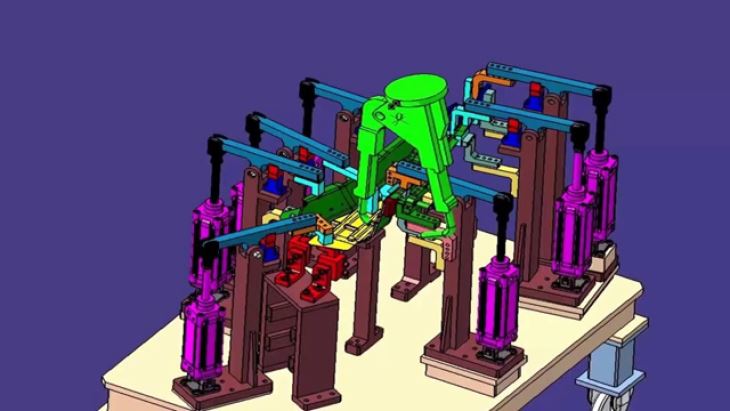
As an auto welding jig supplier, we offer a wide range of high - quality jigs designed to meet the diverse needs of the automotive industry. Our Auto Pillar Parts Welding Fixture is specifically designed for welding auto pillar parts with precision and durability. It is constructed from premium materials and features a robust design to ensure a long lifespan.
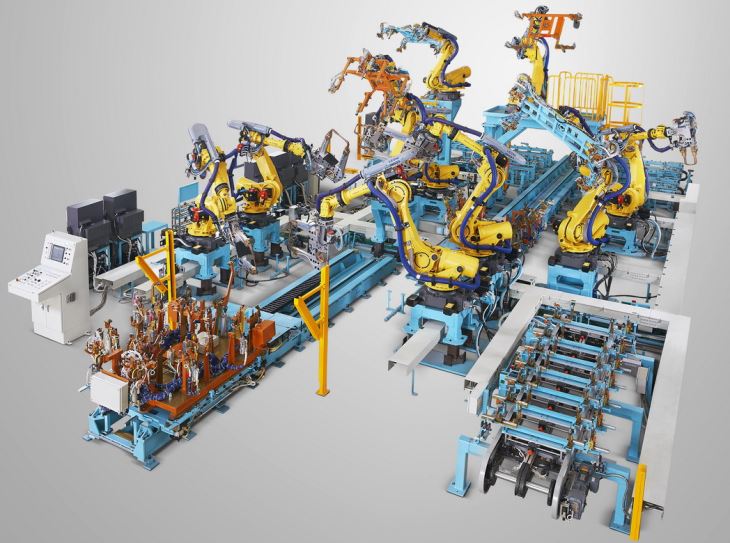
Our Robotic Welding Fixture Line is another popular offering. These fixtures are designed to work seamlessly with robotic welding systems, providing accurate and consistent positioning of automotive parts. They are engineered to withstand the high - speed and high - precision requirements of robotic welding, with a focus on long - term durability.
Conclusion
The lifespan of an auto welding jig is influenced by a variety of factors, including material quality, design, operating conditions, and maintenance. By understanding these factors and taking proactive measures to extend the lifespan of the jigs, automotive manufacturers can improve cost - effectiveness, product quality, and production efficiency.
As a leading auto welding jig supplier, we are committed to providing our customers with high - quality jigs that are durable, reliable, and cost - effective. If you are in the market for auto welding jigs or need assistance with extending the lifespan of your existing jigs, we encourage you to contact us for a consultation. We look forward to working with you to meet your automotive welding needs.
References
- "Automotive Welding Technology" - A comprehensive guide on welding processes and tooling in the automotive industry.
- Industry reports on automotive manufacturing and tooling trends.
- Internal research and development data from our company's experience in designing and manufacturing auto welding jigs.