What are the requirements for multi - layer welding with an A PILLAR welding fixture?
As a supplier of A PILLAR welding fixtures, I've witnessed firsthand the critical role these fixtures play in the automotive manufacturing process, especially when it comes to multi - layer welding. Multi - layer welding is a complex process that requires precision, reliability, and a deep understanding of both the welding techniques and the fixtures used. In this blog, I'll explore the key requirements for successful multi - layer welding with an A PILLAR welding fixture.
1. Precision and Accuracy
One of the most fundamental requirements for multi - layer welding with an A PILLAR welding fixture is precision and accuracy. The A PILLAR is a crucial structural component in a vehicle, and any deviation in its dimensions can compromise the safety and integrity of the entire vehicle. Therefore, the welding fixture must be designed and manufactured to extremely tight tolerances.
The fixture should hold the A PILLAR components in the exact position and orientation required for each welding layer. This means that the locating pins, clamps, and other positioning elements must be precisely machined and calibrated. Even the slightest misalignment can lead to uneven welds, weak joints, and potential structural failures. For example, if the fixture allows the components to shift by just a few millimeters during welding, the resulting welds may not meet the required strength and quality standards.
2. Rigidity and Stability
Another essential requirement is the rigidity and stability of the A PILLAR welding fixture. Multi - layer welding involves high - energy processes that generate significant heat and mechanical forces. The fixture must be able to withstand these forces without deforming or vibrating. A rigid fixture ensures that the components remain in place throughout the welding process, preventing any movement that could affect the quality of the welds.
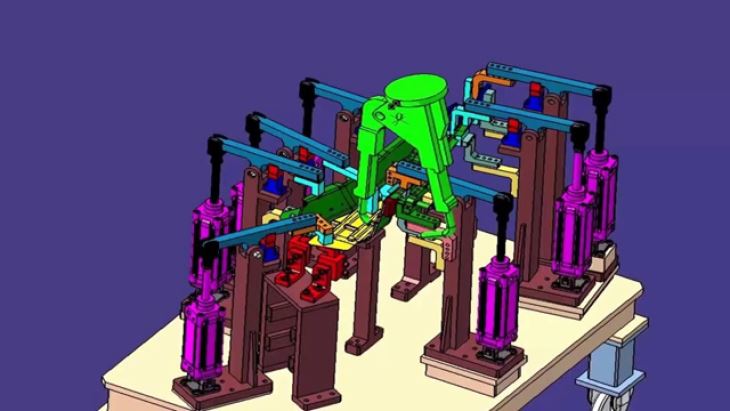
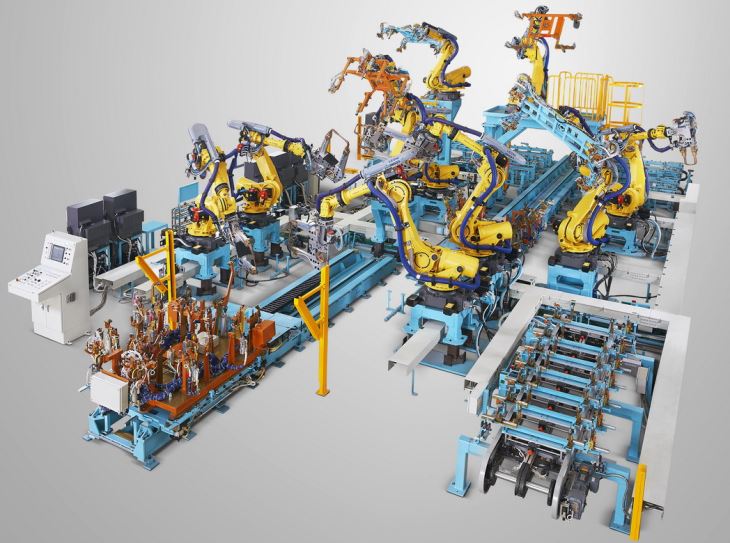
To achieve the necessary rigidity, the fixture is typically made from high - strength materials such as steel or aluminum alloys. The design of the fixture also plays a crucial role. It should have a robust frame and a well - distributed support structure to evenly distribute the forces generated during welding. Additionally, the fixture should be securely mounted to the welding table or robotic arm to prevent any unwanted movement.
3. Heat Resistance
Multi - layer welding generates a large amount of heat, which can have a significant impact on the performance and lifespan of the A PILLAR welding fixture. The fixture must be able to withstand high temperatures without losing its dimensional accuracy or structural integrity. Heat - resistant materials are often used in the construction of the fixture, such as heat - treated steels or ceramic - coated components.
In addition to using heat - resistant materials, the fixture may also incorporate cooling systems to dissipate the heat. These cooling systems can be either passive, such as fins or heat sinks, or active, such as water - cooled channels. By effectively managing the heat, the fixture can maintain its performance and ensure consistent weld quality over multiple welding cycles.
4. Compatibility with Welding Processes
There are various welding processes used in multi - layer welding, such as MIG (Metal Inert Gas) welding, TIG (Tungsten Inert Gas) welding, and laser welding. The A PILLAR welding fixture must be compatible with the specific welding process being used. Different welding processes have different requirements in terms of access to the welding area, the type of shielding gas, and the welding parameters.
For example, in MIG welding, the fixture should allow easy access for the welding gun to reach all the welding points. It should also be designed to accommodate the flow of shielding gas to protect the weld from oxidation. In laser welding, the fixture must be able to position the components precisely to ensure accurate laser beam alignment. Compatibility with the welding process is crucial for achieving high - quality welds and maximizing the efficiency of the welding operation.
5. Ease of Use and Maintenance
A user - friendly A PILLAR welding fixture is essential for efficient and productive welding operations. The fixture should be easy to load and unload the A PILLAR components, with clear and intuitive positioning guides. Quick - change mechanisms can also be incorporated to reduce the setup time between different welding jobs.
Maintenance is another important aspect. The fixture should be designed for easy cleaning, inspection, and replacement of worn or damaged parts. Regular maintenance ensures the longevity and reliability of the fixture, minimizing downtime and production losses. For example, if the fixture has removable clamps or locating pins, it becomes much easier to clean and replace these components when necessary.
6. Customization and Flexibility
Automotive manufacturers often have specific requirements for their A PILLAR welding processes, depending on the vehicle model, production volume, and quality standards. As a supplier, we understand the importance of providing customized A PILLAR welding fixtures that can meet these unique needs.
Customization may involve modifying the fixture's dimensions, the type of clamping mechanisms, or the layout of the positioning elements. For example, some manufacturers may require a fixture with a specific clamping force to ensure proper component alignment, while others may need a fixture with a more compact design to fit into a limited workspace.
Flexibility is also crucial, as it allows the fixture to be used for multiple A PILLAR designs or welding processes. A flexible fixture can be easily reconfigured or adjusted to accommodate different component sizes and shapes, reducing the need for multiple fixtures and saving costs.
7. Quality Control and Inspection
To ensure the quality of the multi - layer welding with an A PILLAR welding fixture, a comprehensive quality control and inspection process is necessary. This includes both in - process inspection during welding and final inspection after the welding is completed.
During the welding process, sensors and monitoring systems can be used to detect any deviations in the welding parameters, such as temperature, current, and voltage. These sensors can provide real - time feedback to the operator, allowing for immediate adjustments to be made if necessary. After the welding is finished, the A PILLAR components can be inspected using non - destructive testing methods, such as ultrasonic testing or X - ray inspection, to detect any internal defects in the welds.
Conclusion
In conclusion, multi - layer welding with an A PILLAR welding fixture requires a combination of precision, rigidity, heat resistance, compatibility, ease of use, customization, and quality control. As a supplier of Auto Pillar Parts Welding Fixture, we are committed to meeting these requirements and providing our customers with high - quality fixtures that can improve the efficiency and quality of their welding operations.
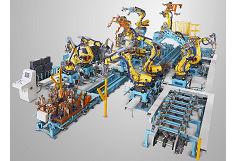
If you are in the automotive manufacturing industry and are looking for a reliable A PILLAR welding fixture supplier, we would be delighted to discuss your specific needs and provide you with a customized solution. Our Robotic Welding Fixture Line offers a range of advanced fixtures that are designed to meet the most demanding multi - layer welding requirements. Contact us today to start a conversation about how we can help you optimize your welding processes and achieve better results.
References
- ASM Handbook, Volume 6: Welding, Brazing, and Soldering. ASM International.
- Welding Technology Handbook. Lincoln Electric.
- Automotive Welding Processes and Quality Control. Society of Automotive Engineers (SAE).