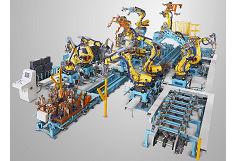
What are the ergonomic considerations when using checking fixtures?
As a supplier of checking fixtures, I understand the critical role that ergonomics plays in the effective and safe use of these essential tools. Checking fixtures are used across various industries, from automotive to aerospace, to ensure the quality and precision of manufactured parts. However, without proper ergonomic design and consideration, the use of these fixtures can lead to discomfort, fatigue, and even long - term health issues for operators. In this blog, I will explore the key ergonomic considerations when using checking fixtures.
1. Posture and Body Mechanics
One of the most fundamental aspects of ergonomics is maintaining proper posture and body mechanics. When operators are using checking fixtures, they often need to hold, position, and manipulate parts for inspection. Incorrect posture can lead to musculoskeletal disorders (MSDs), such as back pain, neck pain, and repetitive strain injuries.
For example, if a checking fixture requires an operator to bend over for extended periods, it can put excessive stress on the lower back. To mitigate this, the height of the checking fixture should be adjustable. An adjustable fixture allows operators to set the working height according to their own body dimensions, ensuring that they can work in a neutral posture. This neutral posture means that the body is aligned in a way that minimizes stress on joints and muscles.
Another aspect of body mechanics is the reach distance. Operators should not have to stretch or over - extend their arms to access different parts of the checking fixture. The layout of the fixture should be designed in such a way that commonly used tools and inspection points are within easy reach. This reduces the risk of shoulder and arm injuries associated with repetitive reaching motions.
2. Visibility and Lighting
Good visibility is essential when using checking fixtures. Operators need to clearly see the parts being inspected, as well as any measurement indicators or markings on the fixture. Poor visibility can lead to errors in inspection, which can compromise the quality of the parts.
Proper lighting is crucial for ensuring good visibility. The checking fixture should be located in an area with adequate general lighting. Additionally, task - specific lighting can be installed directly on the fixture. For example, LED lights can be mounted around the inspection area to provide focused illumination. This helps to eliminate shadows and ensures that all details of the part are clearly visible.
The color contrast between the part being inspected and the checking fixture is also important. A high - contrast color scheme makes it easier for operators to distinguish between the part and the fixture, as well as any measurement markings. This can improve the accuracy and efficiency of the inspection process.
3. Ease of Use of Controls and Tools
Checking fixtures often come with various controls and tools, such as measurement gauges, clamps, and switches. These controls and tools should be easy to use and operate. Complicated or difficult - to - reach controls can lead to operator frustration and errors.
The controls should be designed with ergonomic shapes and sizes. For example, knobs and handles should be large enough to be easily grasped, even when wearing gloves. The force required to operate the controls should also be reasonable. Excessive force can lead to fatigue and reduced productivity.
In addition, the placement of controls and tools should be intuitive. Operators should be able to quickly locate and use the necessary controls without having to search or think too much. This can be achieved through a logical layout of the fixture and the use of clear labeling.
4. Reducing Vibration and Noise
Vibration and noise are common issues in industrial environments where checking fixtures are used. Excessive vibration from the fixture or the surrounding machinery can cause discomfort and fatigue for operators. It can also affect the accuracy of measurements, as vibration can cause the part being inspected to move or shift.
To reduce vibration, the checking fixture should be properly mounted and secured. Anti - vibration pads or mounts can be used to isolate the fixture from the source of vibration. Additionally, the design of the fixture itself can be optimized to minimize internal vibrations. For example, using materials with good damping properties can help to absorb and dissipate vibration energy.


Noise can also be a significant problem. High - level noise can cause hearing damage over time and can also be a distraction for operators. The checking fixture should be designed to operate as quietly as possible. This may involve using low - noise components, such as quiet motors or bearings. If necessary, noise - reducing enclosures can be installed around the fixture to contain the noise.
5. Comfort and Fatigue Reduction
Using checking fixtures can be a repetitive and time - consuming task. To ensure that operators can work efficiently and safely, it is important to consider comfort and fatigue reduction.
The surface of the checking fixture where the operator stands or sits should be comfortable. Anti - fatigue mats can be placed on the floor in front of the fixture to reduce the impact on the feet and legs. If the operator is sitting, an ergonomic chair should be provided. The chair should have adjustable height, backrest, and armrests to support the operator's body in a comfortable position.
Breaks are also important for reducing fatigue. Operators should be encouraged to take regular breaks during their shift. These breaks allow the body to rest and recover from the physical and mental strain of using the checking fixture.
6. Adaptability to Different Operators
Not all operators are the same. They come in different sizes, shapes, and have different levels of physical abilities. A good checking fixture should be adaptable to these differences.
As mentioned earlier, adjustable height is one way to accommodate different operators. In addition, the fixture can be designed with adjustable tool holders or fixtures to fit different hand sizes. This ensures that all operators can use the fixture comfortably and effectively.
Training is also an important aspect of adaptability. Operators should be provided with proper training on how to use the checking fixture in an ergonomic way. This training can help them understand the importance of proper posture, body mechanics, and other ergonomic considerations.
Conclusion
In conclusion, ergonomic considerations are essential when using checking fixtures. By paying attention to posture, visibility, ease of use, vibration, noise, comfort, and adaptability, we can ensure that operators can use the fixtures safely and efficiently. This not only improves the well - being of the operators but also enhances the quality of the inspection process.
As a [mention the actual nature of your business] supplier, we are committed to designing and manufacturing checking fixtures that meet the highest ergonomic standards. Our Checking And CMM Fixtures are designed with the operator's comfort and safety in mind. We also offer a wide range of Checking Fixture And Gage Manufacturer services, ensuring that our customers get the best - quality fixtures for their specific needs. And for those in need of stamping checking fixtures, our Stamping Checking Fixture Manufacturer Supplier services provide reliable and ergonomic solutions.
If you are in the market for checking fixtures and are interested in learning more about our ergonomic designs and products, we encourage you to reach out to us for a consultation. Our team of experts is ready to assist you in finding the perfect checking fixture for your business.
References
- Grandjean, E. (1988). Fitting the Task to the Man: An Introduction to Ergonomics. Taylor & Francis.
- Konz, S., & Johnson, S. (2012). Work Design: Industrial Ergonomics. Cengage Learning.
- Kroemer, K. H. E., Kroemer, H. B., & Kroemer - Elbert, K. E. (2001). Engineering Physiology: Bases of Human Factors/Ergonomics. Psychology Press.