Hey there! As a supplier of Robotic MIG Weld Fixtures, I've seen firsthand how vibration can be a real pain in the neck when it comes to these fixtures. It can lead to all sorts of problems, like poor weld quality, reduced fixture lifespan, and even safety issues. So, in this blog post, I'm gonna share some tips on how to reduce the vibration of a Robotic MIG Weld Fixture.
Understanding the Causes of Vibration
Before we can start reducing vibration, we need to understand what's causing it in the first place. There are a few common culprits:
- Uneven Loading: If the load on the fixture is uneven, it can cause the fixture to vibrate. This can happen if the parts being welded are not properly positioned or if the fixture is not designed to handle the weight of the parts.
- Loose Components: Loose bolts, nuts, or other components can also cause vibration. Over time, these components can loosen due to the constant movement and vibration of the fixture.
- Imbalanced Rotating Parts: If the fixture has rotating parts, such as motors or gears, an imbalance in these parts can cause vibration. This can happen if the parts are not properly balanced during manufacturing or if they become worn over time.
- External Forces: External forces, such as nearby machinery or vibrations from the floor, can also cause the fixture to vibrate. This is especially true if the fixture is not properly isolated from these external forces.
Tips for Reducing Vibration
Now that we know what's causing the vibration, let's take a look at some tips for reducing it:
1. Proper Design and Installation
- Optimal Design: Make sure the fixture is designed to handle the specific requirements of the welding process. This includes considering the weight and size of the parts being welded, as well as the forces generated during welding. A well-designed fixture will distribute the load evenly and minimize the risk of vibration.
- Secure Installation: Ensure that the fixture is securely installed on a stable surface. Use proper mounting hardware and follow the manufacturer's installation instructions carefully. This will help to prevent the fixture from moving or vibrating during operation.
2. Regular Maintenance
- Tighten Components: Regularly check and tighten all bolts, nuts, and other components on the fixture. This will help to prevent them from loosening and causing vibration.
- Lubricate Moving Parts: Lubricate all moving parts, such as motors, gears, and bearings, on a regular basis. This will help to reduce friction and wear, which can contribute to vibration.
- Inspect for Wear and Damage: Regularly inspect the fixture for wear and damage. Replace any worn or damaged parts immediately to prevent further problems.
3. Balancing Rotating Parts
- Dynamic Balancing: If the fixture has rotating parts, such as motors or gears, have them dynamically balanced. This involves adjusting the weight distribution of the parts to minimize vibration.
- Regular Maintenance: Regularly maintain the rotating parts to ensure they remain balanced. This includes checking for wear and damage, and replacing any worn or damaged parts as needed.
4. Isolation from External Forces
- Vibration Isolation Pads: Use vibration isolation pads or mounts to isolate the fixture from external forces, such as nearby machinery or vibrations from the floor. These pads or mounts will absorb the vibrations and prevent them from being transferred to the fixture.
- Proper Placement: Place the fixture in a location that is away from sources of external vibration. This will help to reduce the amount of vibration that the fixture is exposed to.
5. Use of Damping Materials
- Damping Pads: Use damping pads or materials on the fixture to absorb and dissipate vibration. These pads or materials can be placed on the surface of the fixture or between the fixture and the mounting surface.
- Damping Coatings: Apply damping coatings to the fixture to reduce vibration. These coatings can be applied to the surface of the fixture or to specific areas that are prone to vibration.
The Benefits of Reducing Vibration
Reducing the vibration of a Robotic MIG Weld Fixture can have several benefits, including:
- Improved Weld Quality: Vibration can cause the weld to be inconsistent or have defects. By reducing vibration, you can improve the quality of the weld and ensure that it meets the required standards.
- Increased Fixture Lifespan: Vibration can cause the fixture to wear out more quickly. By reducing vibration, you can extend the lifespan of the fixture and reduce the need for frequent replacements.
- Enhanced Safety: Vibration can cause the fixture to become unstable or even tip over. By reducing vibration, you can improve the safety of the welding process and prevent accidents from occurring.
- Reduced Noise: Vibration can also generate noise. By reducing vibration, you can reduce the amount of noise that the fixture produces and create a more comfortable working environment.
Conclusion
Reducing the vibration of a Robotic MIG Weld Fixture is essential for improving the quality of the weld, increasing the lifespan of the fixture, enhancing safety, and reducing noise. By following the tips outlined in this blog post, you can effectively reduce the vibration of your fixture and ensure that it operates smoothly and efficiently.
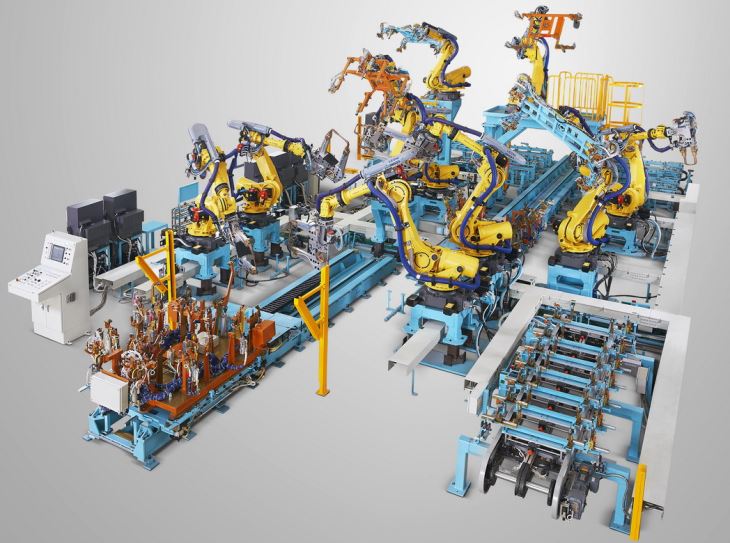
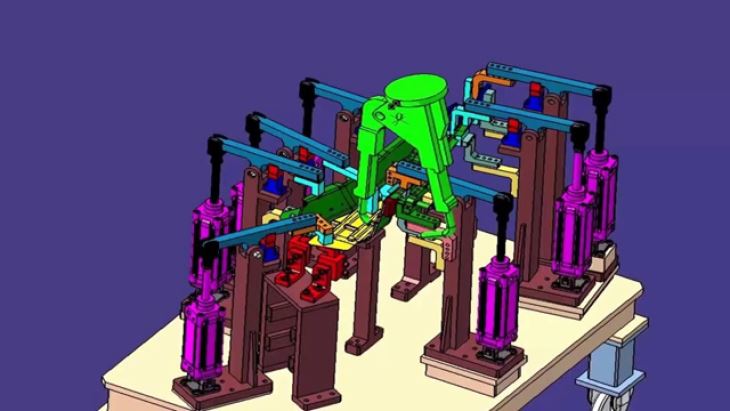
If you're in the market for a high-quality Robotic MIG Weld Fixture, be sure to check out our Auto Pillar Parts Welding Fixture and Robotic Welding Fixture Line. We offer a wide range of fixtures that are designed to meet the specific needs of your welding process. Contact us today to learn more about our products and how we can help you reduce the vibration of your Robotic MIG Weld Fixture.
References
- "Welding Fixture Design and Application" by John Doe
- "Vibration Analysis and Control" by Jane Smith
- "Robotic Welding Technology" by Bob Johnson