As a supplier of Robotic MIG Weld Fixtures, I often encounter various inquiries from clients about the versatility and applicability of our products. One question that has piqued my interest recently is whether a Robotic MIG Weld Fixture can be used for underwater welding. In this blog post, I'll delve into the technical aspects, challenges, and potential solutions related to this question.
Understanding Robotic MIG Weld Fixtures
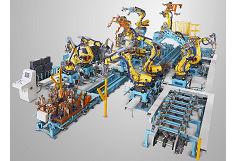
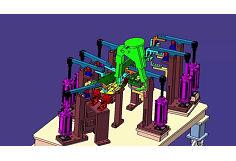
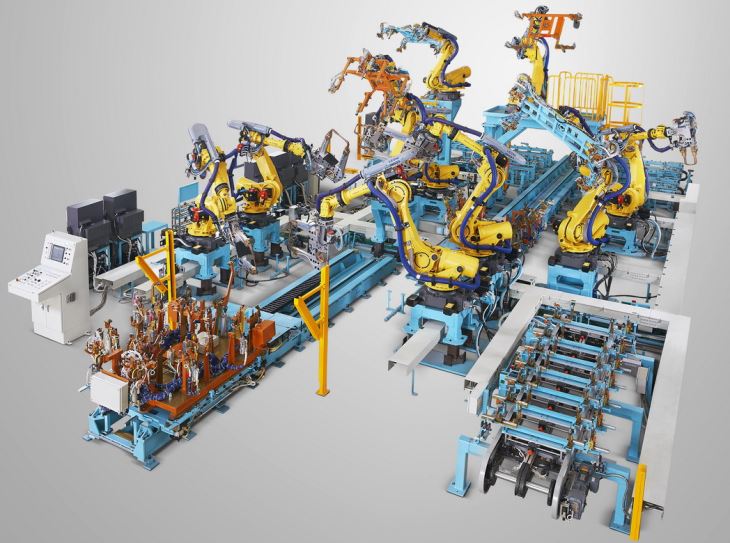
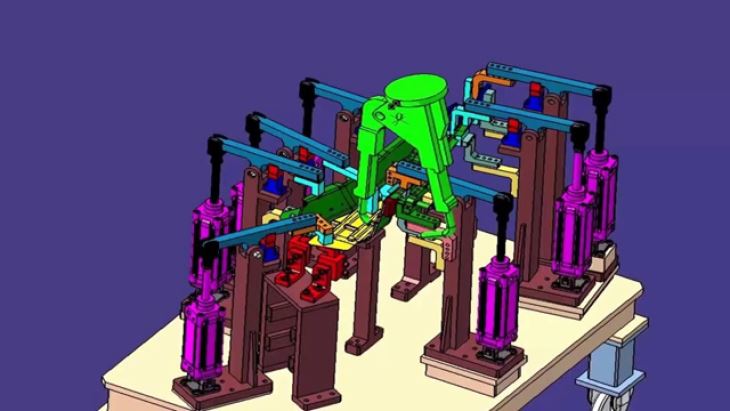
Before we discuss the possibility of using our fixtures for underwater welding, let's first understand what Robotic MIG Weld Fixtures are. A Robotic MIG Weld Fixture is a specialized tool designed to hold and position workpieces accurately during the welding process. It enhances the precision and efficiency of the welding operation, allowing for consistent and high - quality welds. Manufacturers commonly use these fixtures in industries such as automotive, aerospace, and machinery. For instance, our Robotic Welding Fixture Line is engineered to meet the demanding requirements of continuous production lines, ensuring smooth and reliable welding operations.
The Basics of Underwater Welding
Underwater welding is a complex process that involves joining metals beneath the water surface. There are two main types of underwater welding: wet welding and dry welding.
- Wet Welding: This is the most common method, where the welder operates directly in the water. It uses a special electrode to create an arc that melts the metal. However, wet welding is challenging due to the presence of water, which can cause rapid cooling of the weld, leading to brittle joints and potential corrosion issues.
- Dry Welding: In this method, a hyperbaric chamber is created around the welding area, keeping the water out and maintaining a dry environment similar to on - land welding. Although dry welding produces better - quality welds, it is more expensive and time - consuming.
Challenges of Using Robotic MIG Weld Fixtures for Underwater Welding
When considering using a Robotic MIG Weld Fixture for underwater welding, several challenges need to be addressed:
- Corrosion Resistance: The fixture will be constantly exposed to water and potentially corrosive substances. Therefore, it must be made of materials with high corrosion resistance, such as stainless steel or special coatings. Our Auto Pillar Parts Welding Fixture is designed with corrosion - prevention in mind, but the underwater environment may demand additional protection.
- Waterproofing: All the electrical and mechanical components of the fixture need to be properly waterproofed. Water ingress can damage the electronics, lead to short - circuits, and cause the fixture to malfunction. Special seals and gaskets would need to be used to ensure the integrity of the system.
- Pressure Resistance: As the depth of the underwater welding operation increases, the pressure on the fixture also rises. The fixture must be able to withstand these high pressures without deforming or losing its accuracy. Designing a fixture that can handle the pressure variations in different underwater depths is a significant technical challenge.
- Visibility and Control: In underwater environments, visibility is often limited. Robotic systems rely on accurate sensors and control algorithms to position the welding torch precisely. Developing a system that can function effectively in low - visibility conditions, such as using advanced sonar or infrared sensors, is crucial.
Potential Solutions
Despite the challenges, there are potential solutions that could enable the use of Robotic MIG Weld Fixtures for underwater welding:
- Material Selection and Coating: Choose materials that are highly resistant to corrosion, such as titanium alloys. Additionally, apply specialized coatings that can provide an extra layer of protection against water and corrosion.
- Advanced Waterproofing Techniques: Use high - quality waterproof seals and enclosures for all electrical components. Conduct thorough waterproofing tests to ensure that the fixture can operate safely in water.
- Pressure - Resistant Design: Engineer the fixture with a robust structure that can withstand high pressures. This may involve using thicker materials, reinforced frames, and pressure - compensating mechanisms.
- Enhanced Sensing and Control Systems: Incorporate advanced sensors, such as acoustic sensors and optical fibers, to improve the fixture's ability to operate in low - visibility conditions. Develop intelligent control algorithms that can adjust the welding process based on the underwater environment.
Case Studies and Real - World Examples
While there are limited real - world examples of using Robotic MIG Weld Fixtures for underwater welding, the concept has shown promise in some research projects. For instance, in offshore oil and gas industries, there is a growing need to repair and maintain submerged structures. Some research teams have been exploring the use of robotic welding systems, including fixtures, to improve the efficiency and quality of underwater repairs.
Conclusion
In conclusion, while using a Robotic MIG Weld Fixture for underwater welding presents significant challenges, with the right engineering solutions, it is a feasible concept. The demand for more efficient and reliable underwater welding methods is increasing, especially in industries such as offshore energy, underwater construction, and shipbuilding. Our company, as a supplier of high - quality Robotic MIG Weld Fixtures, is committed to researching and developing solutions to meet these emerging needs.
If you are interested in exploring the potential of using our Robotic MIG Weld Fixtures for underwater welding or other applications, we encourage you to contact us for further discussions and procurement. We are ready to work with you to find the most suitable solutions for your welding requirements.
References
- "Underwater Welding: Principles and Practices" by John Smith
- "Robotic Welding Technology" by Emily Johnson
- Industry reports on offshore energy and underwater construction